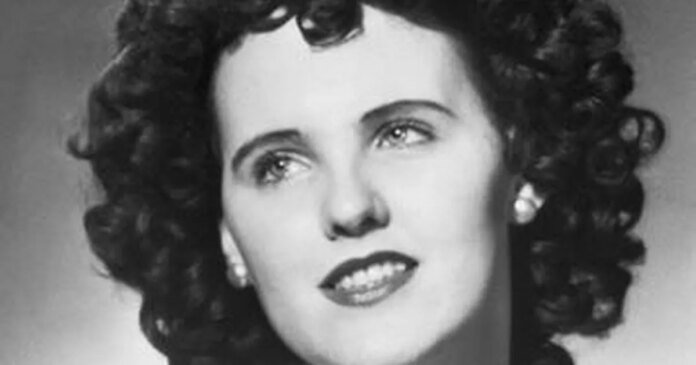

For over 50 years, California has been haunted by the infamous figures of the Zodiac killer and the Black Dahlia murderer, both leaving a trail of terror in their wake.
One targeted young couples in the darkness of night, while the other brutally mutilated a Hollywood aspirant, becoming a horrifying tale in post-war Los Angeles. A recent investigation suggests that these two notorious figures might be the same individual – Marvin Margolis, a single suspect identified at the heart of both chilling mysteries.
The theory, put together by investigative consultant Alex Baber of Cold Case Consultants of America, is currently under scrutiny by various US law enforcement agencies, including the FBI and multiple California departments. The evidence presented by Baber’s team supposedly connects the Zodiac killings of 1968-69 to the Black Dahlia murder of 1947.
If the evidence holds true, it could mark a significant breakthrough in the history of true crime, linking two of the world’s most infamous unsolved cases. The Zodiac killer gained notoriety in the late 1960s, committing a series of murders in Northern California and engaging in cryptic communication with law enforcement and the public.
In contrast, the Black Dahlia case from 1947 shocked Los Angeles with its brutality, captivating the public’s attention for generations. Despite numerous attempts to solve these cases over the years, the perpetrators remained elusive until Baber’s recent claims.
According to the investigation, Margolis, born in Chicago in 1925 to Russian and Polish parents, served in the US Navy during World War II, acquiring medical skills that could be linked to the precision displayed in the Black Dahlia murder. His military records depict a troubled individual with a penchant for aggression.
After leaving the military on mental health grounds, Margolis moved to Los Angeles and attended USC medical school. His connection to the Black Dahlia case as a suspect is based on documented volatile interactions with the victim and his presence on police records.
Baber’s investigation delves into Margolis’s post-war movements, suggesting he changed his name to Marvin Merrill and might have resumed his violent activities with the onset of the Zodiac killings in the late 1960s. The investigation indicates potential forensic evidence that could tie Margolis to the crimes.
The claim has attracted attention from law enforcement agencies and forensic experts, with Baber presenting compelling circumstantial evidence linking Margolis to the infamous cases. The possibility of physical evidence from Merrill’s son could further shed light on the alleged connection.
While these claims remain unproven at present, they have reignited speculation about California’s darkest mysteries, prompting a reevaluation of whether the state’s most notorious crimes were the work of a single individual lurking in the shadows.