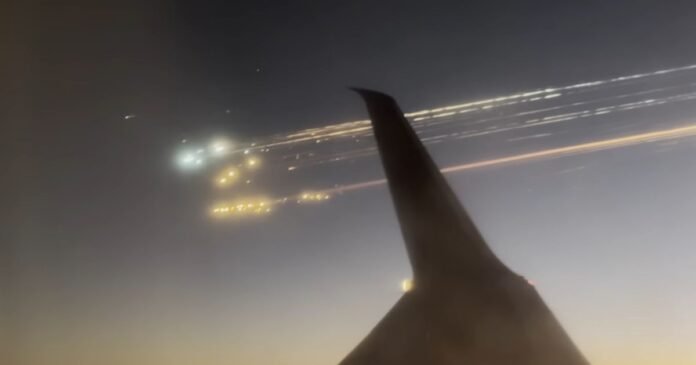

Elon Musk’s SpaceX faced a rocket explosion during a critical flight, endangering multiple passenger planes in a high-traffic airspace. The disaster occurred during the seventh test flight of the unmanned Starship rocket earlier this year in Texas. The explosion caused alarm as debris scattered into the flight path, affecting several flights. One aircraft had to declare an emergency landing, putting 450 passengers at risk.
Debris from the explosion posed a significant threat to aircraft due to the potential for Foreign Object Damage (FOD), which can severely damage or even disable an aircraft engine. The incident highlighted the dangers of debris, recalling the tragic 2000 Concorde crash caused by FOD. Following the SpaceX incident, air controllers averted a potential disaster involving two other planes by guiding one to declare an emergency landing.
SpaceX acknowledged the incident as a “rapid unscheduled disassembly” during the rocket’s ascent, emphasizing the need to learn from such events to enhance reliability. The Federal Aviation Administration (FAA) later classified the explosion as a “potential extreme safety risk” and criticized SpaceX for not promptly informing authorities. FAA investigations led to improved protocols for handling debris fields from explosions.
The FAA report highlighted the importance of safety measures, with SpaceX pledging to address any additional requirements promptly. The incident underscored the critical need for proactive safety measures in commercial space operations to prevent similar incidents in the future.