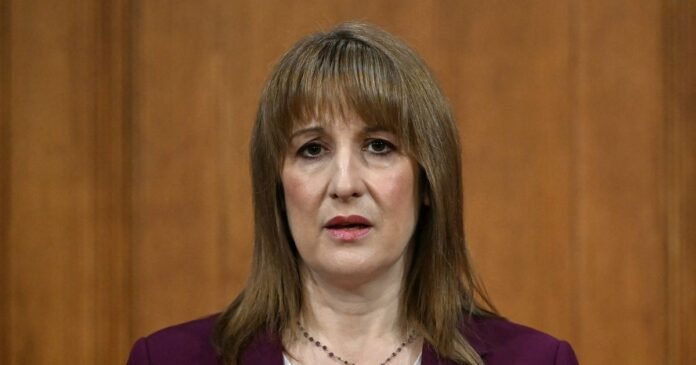

Rachel Reeves has decided to abandon her previous intention to go against Labour’s promise of not increasing income tax in the upcoming Budget, as per recent revelations. Despite signals from the Chancellor indicating a potential rise in taxes through speeches and interviews over the past few weeks, Reeves clarified on Monday that no definitive choices have been made regarding tax and spending ahead of the Budget in two weeks. However, she hinted at the likelihood of tax hikes, emphasizing the challenge of adhering to Labour’s tax commitments without substantial cuts in spending.
The Financial Times reported a significant shift in direction, with Downing Street altering its stance. This change follows a tumultuous period for Keir Starmer, with rumors of a leadership challenge circulating among his allies. Allegations of Wes Streeting planning a leadership overthrow have sparked a Labour internal conflict, which the Health Secretary denies.
Reeves is now exploring alternative approaches to address a substantial deficit in public finances, including a proposal to lower income tax thresholds while keeping basic and higher tax rates unchanged. Initially, her plans involved a 2p increase in income tax rates alongside a 2p reduction in national insurance rates, affecting individuals such as landlords and pensioners without impacting “working people.”
In a recent speech, Reeves hinted at potential tax increases diverging from the party’s manifesto commitments, citing the need to address the country’s financial challenges. She emphasized the necessity of making tough decisions for the nation’s well-being, even if they risk electoral outcomes.
The Chancellor stressed the imperative of addressing challenges head-on and emphasized the collective responsibility of contributing to Britain’s future in her statements. Reeves further highlighted the importance of investing in areas that drive productivity and growth, dispelling the notion of taking the easy route of cutting investments.
Amidst the uncertainty, experts caution about the risks associated with retracting from planned tax hikes, including potential economic repercussions and increased likelihood of future policy reversals due to discontent among various interest groups. The Treasury refrained from commenting on speculative tax changes outside formal fiscal events, affirming the commitment to present a Budget focused on equitable choices to fortify the nation’s prospects.