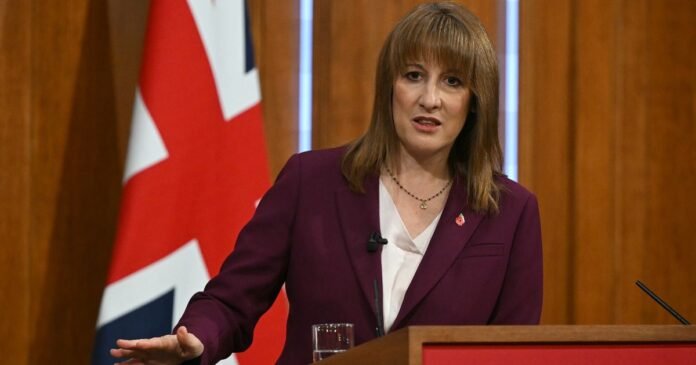

Rachel Reeves made a bold move by setting the stage for the upcoming Budget three weeks in advance. Although lacking specifics, her announcement carried significant weight in terms of the broader context.
Following a previous Budget known for tax increases, Reeves hinted at more tax hikes to come, potentially breaking previous promises and stirring controversy among voters. The outcome of the upcoming general election and the country’s financial future could hinge on whether her strategy proves effective.
While avoiding direct references, the Chancellor’s speech hinted at a forthcoming Budget focusing on tax increases rather than drastic spending cuts, with a firm commitment to avoiding a return to past austerity measures. The Labour Party’s stance against raising taxes on working individuals faces challenges given the evolving economic landscape.
Speculation abounds regarding potential tax adjustments, with suggestions from experts indicating that even minor changes could yield substantial revenue boosts. However, proposals to raise the basic tax rate are met with skepticism due to long-standing traditions and potential implications for taxpayers across various income brackets.
Analysts predict that any increase in the basic tax rate could have varying impacts on individuals, with higher earners facing the most significant financial adjustments. The potential changes are met with concern from financial experts, who worry about the added burden on households already grappling with escalating costs.
Reeves’ focus on addressing rising living expenses, particularly energy and food costs, suggests potential shifts in VAT regulations. Scrapping the VAT on energy bills and reevaluating levies could offer relief to households while potentially affecting inflation rates.
Further suggestions propose redistributing financial burdens from specific sectors to general taxation, potentially alleviating pressure on households. However, such adjustments come with financial implications and long-term considerations for the national budget.
As discussions circulate on potential policy changes, attention turns to pension schemes and the gambling industry as possible targets for tax modifications. The evolving landscape of tax reforms raises questions about their direct and indirect impacts on various sectors and demographics.