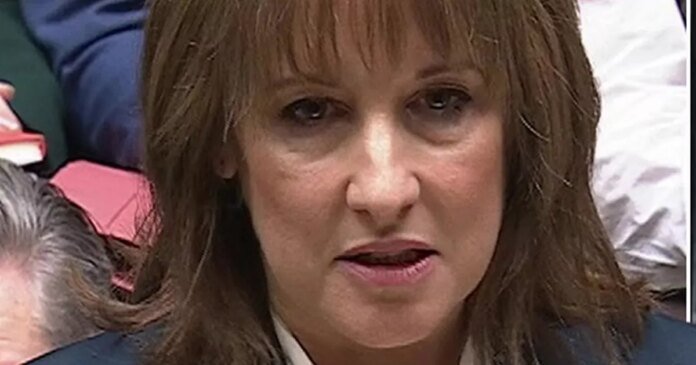

Rachel Reeves has revealed a £26 billion yearly increase in taxes in a Budget that was leaked just before its official release. The Chancellor introduced a new mansion tax affecting properties valued above £2 million and confirmed the removal of the two-child benefit limit, a move long advocated by anti-poverty activists.
In a controversial decision, income tax thresholds will be frozen, impacting over 1.5 million workers. Additionally, the gambling industry will face new levies, while fuel duty will remain unchanged until the following year, as stated by Ms. Reeves during a lively session in the House of Commons.
The Chancellor’s Budget also includes a new tax on homes exceeding £2 million, affecting an estimated 100,000 to 200,000 properties. The tax is projected to generate approximately £400 million annually for the Treasury.
Furthermore, a “high value council tax surcharge” will be imposed on properties valued over £2 million starting in April 2028, based on information from the OBR. The surcharge will vary depending on the property’s value, ranging from £2,500 to £7,500 per year.
Ending a controversial policy, the Chancellor scrapped the two-child benefit limit, which has been criticized for exacerbating child poverty. The move, expected to cost the Treasury £3 billion by 2029-30, aims to reduce child poverty by 450,000, according to government estimates.
In a significant development, the Chancellor announced plans to raise £1.1 billion through reforms to gambling taxes, including an increase in remote gaming duty to 40% from April 2026. The Budget also confirmed the introduction of a new rate of general betting duty for remote betting at 25% starting April 2027.
Moreover, the Chancellor unveiled the first rail fare freeze in three decades, saving existing rail passengers £600 million in the upcoming fiscal year across more than a billion train journeys.
Income tax thresholds will remain frozen for an additional two years until 2030, resulting in more individuals moving into higher tax brackets as their incomes rise, according to the OBR. The OBR estimates that 780,000 more people will pay the basic rate, while 920,000 will pay the higher rate, and 4,000 will be affected by the additional rate.
Finally, the Budget includes various other measures such as a new mileage-based charge on electric and plug-in hybrid cars, a reduction in the average household’s energy bill by £150, a boost to the state pension for millions of pensioners, and increases in the National Living Wage and National Minimum Wage, among others.