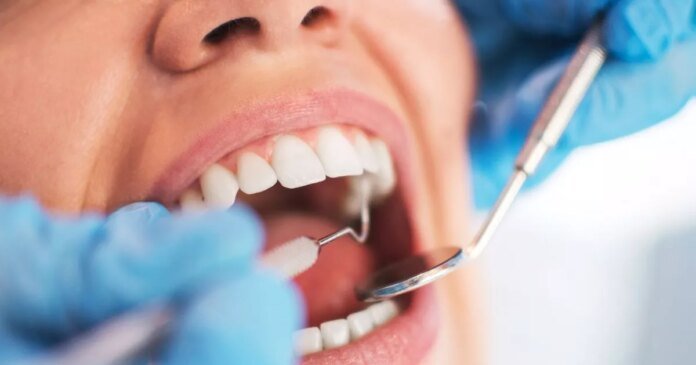

Dentists are set to receive higher payments for treating patients with urgent dental needs as part of significant reforms to address the challenges faced by individuals seeking dental care.
Starting from April 2026, revisions to the existing NHS contract in England will introduce incentives for dentists to provide urgent NHS care for critical cases such as infections, severe pain, or dental trauma. Patients dealing with complex issues like decay in multiple teeth or severe gum disease will have the option to undergo a comprehensive treatment plan in a single visit, potentially saving them around £225.
This development follows the Dentists for All campaign led by the Mirror, which raised concerns about the state of dental services in the aftermath of a decade of austerity measures by the Tory government. A considerable number of dental practices in England are not accepting new NHS patients, leading to millions of people struggling to secure dental appointments, with some resorting to extreme measures like self-extraction of teeth.
Recent analysis of healthcare data revealed a significant unmet need for NHS dental care in England, affecting nearly 14 million individuals, representing more than a quarter of adults. Moreover, a national survey highlighted a surge in dental problems, with 41% of adults in England reporting dental decay, a notable increase from previous years.
Care Minister Stephen Kinnock acknowledged the challenges inherited in the dental system and emphasized ongoing efforts to address these issues by expanding access to urgent care and implementing initiatives like supervised toothbrushing for children in underserved areas. The reforms aim to enhance patient confidence in NHS dentistry by streamlining access to urgent treatments and preventing avoidable hospital admissions due to dental issues.
The British Dental Association (BDA) welcomed the proposed changes but cautioned that more actions are needed to fully rectify the challenges within NHS dentistry. The BDA emphasized the need for sustainable solutions to ensure the long-term viability of dental services.
In a separate development, a think tank recommended the introduction of £150 annual dental vouchers to address disparities in dental care access. While the proposal aimed to mitigate care discrepancies, the BDA expressed concerns about potential drawbacks, including financial burdens on vulnerable populations and potential limitations in access to essential dental services.
The dental sector continues to advocate for substantial investments, comprehensive reforms, and sustainable funding to deliver equitable and accessible dental care for all individuals.