
The United Kingdom has implemented stringent new travel regulations against a small Pacific island, citing concerns that its laws present a “significant risk” to the security of Britain’s borders.
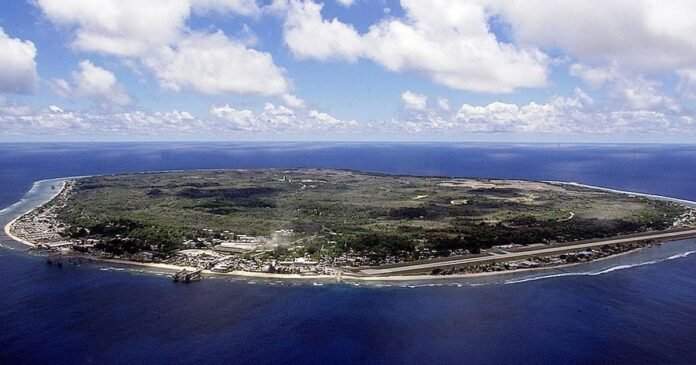
The travel restrictions imposed on Nauru, previously named Pleasant Island, come in response to the island nation’s launch of a “high-risk” citizenship program. By investing approximately £78,000 in the Nauruan Treasury, individuals can obtain citizenship in this 8.1 square mile country, which is the third smallest nation globally.
This citizenship grants them visa-free access to 89 countries, including the UK. Nauru was once prosperous due to phosphate reserves but experienced an economic downturn following a decline in prices.
Mike Tapp, a minister in the Home Office, expressed concerns about Nauru’s citizenship program, stating that it poses an unsustainable risk of exploitation by criminals. The UK lacks confidence in the island’s vetting procedures, leading to the enforcement of these new regulations.
Under the citizenship by investment program in Nauru, individuals over 18 years old can become citizens by passing diligence checks and paying $105,000. The amount increases to $110,000 for up to three dependents and $115,000 for more than four dependents, with a requirement of a clean criminal record.
As of 3pm today, Nauruan nationals will need a visa to travel to the UK and must obtain a Direct Airside Transit Visa for transit purposes. They will no longer be eligible for an Electronic Travel Authorization for UK travel. However, there will be a six-week visa-free transition period for those currently holding an ETA with confirmed bookings.
Minister Tapp emphasized that the visa requirement change is solely for national and border security reasons and does not diminish the UK’s relationship with Nauru as a Commonwealth partner. Regular reviews of the border and immigration system are conducted to ensure it aligns with the UK’s national interests.
Nauru’s population is estimated to be under 11,000.