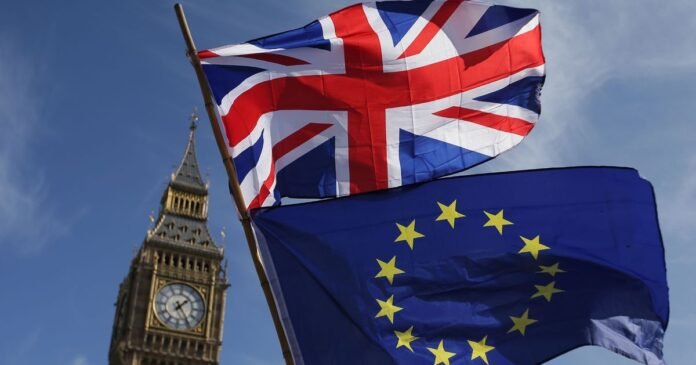

In a surprising turn of events, Members of Parliament have backed a proposed Bill calling for the establishment of a new customs union between the UK and the EU in response to what was described as the “abject failure” of Brexit. The Customs Union (Duty to Negotiate) Bill put forward by the Liberal Democrats resulted in a tied vote of 100 to 100, prompting the deputy speaker to cast the deciding vote. During the Commons session, it was asserted that Brexit had been characterized as “the most dishonest campaign in modern British political history.”
Notably, Nigel Farage, the leader of Reform UK, did not participate in the vote, although four members of his party opposed the Bill. Lib Dem MP Al Pinkerton, presenting the Bill, emphasized the economic shortcomings of Brexit, stating that it had negatively impacted business investment, economic resilience, trade, and overall prosperity, dubbing the perceived benefits of Brexit as a mere illusion.
Pinkerton further critiqued the narrative that Brexit would transform the UK into a “buccaneering global Britain,” asserting instead that the country now finds itself in a state of increased weakness and isolation. He highlighted the financial costs of Brexit, contending that it was costing the nation £250 million daily, leading to heightened tax burdens and financial challenges for families.
Following the tied vote, deputy speaker Caroline Noakes cast the deciding vote in favor of the Bill to allow for future debate. While most Labour MPs did not have their votes recorded, some supported the Lib Dem proposal, including Dame Meg Hillier. Despite objections from the Government, which deemed rejoining a customs union a “red line” that would not be crossed, such Bills serve as platforms for MPs to advocate for new legislation in Parliament.
The debate also saw Conservative former minister Simon Hoare opposing the Bill, citing his acceptance of the referendum result and the need to support the Government’s efforts in fostering a positive relationship with the EU. He emphasized the importance of increasing trade with the EU and other global economies but argued that the proposed Bill was not the appropriate means to achieve this goal.
Additionally, tensions arose between Lib Dem deputy leader Daisy Cooper and Chancellor Rachel Reeves over the UK’s relationship with the EU. Cooper criticized the Brexit deal for imposing regulatory burdens on British businesses and straining public finances. In response, Reeves highlighted the Government’s efforts to reset its relationship with the EU and pursue trade opportunities with countries like India and the US.
Meanwhile, Prime Minister Keir Starmer clarified Labour’s stance on rejoining the customs union, affirming the party’s commitment to strengthening ties with the EU without reentering the customs union, single market, or freedom of movement. The political landscape continues to be shaped by ongoing debates surrounding Brexit and the UK’s future relationship with the EU.