
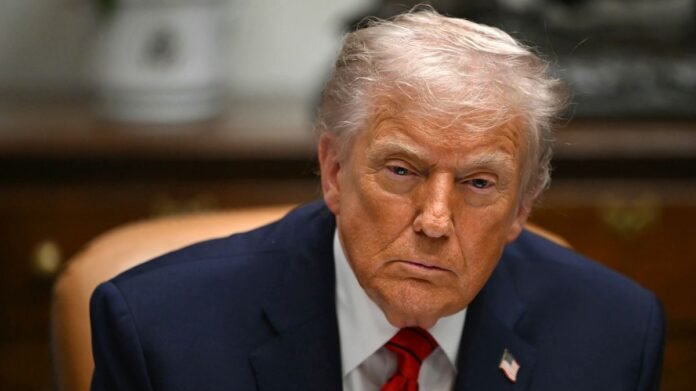

Donald Trump has made a comeback to the White House, promising a new era of authority, discipline, and results. However, his second year in office has been marked by recklessness, unfulfilled promises, and a self-centered agenda that disregards the rule of law. As he faces his upcoming term, the challenges are growing, including strained alliances, escalating internal unrest, and a looming electoral test that could potentially end his presidency.
Throughout his time in office, Trump has governed with a focus on personal power rather than public responsibility. Despite his rapid pace of actions, the fragility of his decisions has become apparent. His administration has issued numerous executive orders, weakened institutions, and treated allies more as hindrances to be pushed aside rather than as partners to collaborate with.
While Trump touts his actions as strengths, critics view them as a sign of disrespect for democratic principles. His claims of “ending wars” have not held up under scrutiny, with his approach to global conflicts relying heavily on economic threats and bravado rather than lasting diplomatic solutions. Diplomacy has been reduced to superficial deal-making, leaving underlying instability unresolved.
Internationally, Trump’s legacy is marred by the erosion of longstanding alliances painstakingly built over time. His undermining of NATO and the suggestion that US commitments are conditional have unsettled European allies and emboldened adversaries. The transactional nature of his foreign policy was exemplified by his controversial attempt to acquire Greenland, seen by many as a form of diplomatic coercion.
In his dealings with Venezuela, Trump’s approach was characterized by direct intervention, disregarding international norms and the sovereignty of other nations. The removal of Nicolás Maduro and subsequent actions in Venezuela were portrayed as law enforcement and liberation, but were perceived by many as unilateral and forceful overreach.
Domestically, Trump’s policies have led to disruptions in the global trade system, marked by escalating tariffs and promises of economic revitalization that have not materialized. Instead, prices have risen, supply chains have faltered, and job growth has slowed. The administration’s approach to dismantling civil service departments and reducing foreign aid agencies has also raised concerns about the long-term impact on government operations.
Trump’s handling of immigration has been particularly contentious, with a crackdown on refugee programs, militarization of enforcement, and increased deportations sparking widespread criticism. The administration’s actions have led to community upheaval and accusations of civil rights violations, even drawing backlash from within Republican circles.
One of the most controversial issues facing Trump’s presidency is his handling of the Epstein files, with promises of transparency and accountability giving way to delays and lack of disclosure. The administration’s reluctance to release pertinent documents has raised suspicions of hidden agendas and protection of powerful individuals linked to the case.
Looking ahead to 2026, Trump faces mounting challenges both at home and abroad. The potential erosion of alliances, political unrest, and the looming midterm elections pose significant threats to his presidency. With the possibility of a shift in congressional power, Trump’s actions and decisions could face heightened scrutiny and legal consequences, potentially leading to a significant political reckoning.
In summary, Trump’s presidency has been characterized by a mix of bold actions, broken promises, and divisive policies that have stirred both domestic and international concerns. As he navigates the challenges ahead, the resilience of democratic institutions and the accountability of those in power will be put to the test in determining the future trajectory of his presidency.