
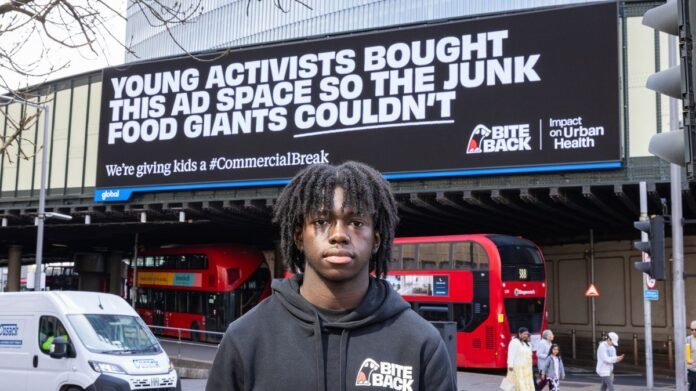

A significant portion of the British population, around 49%, believes that the Government should step up its efforts to safeguard children’s health by imposing stricter regulations on the advertising of unhealthy food to kids. Today, new measures are being implemented to restrict online and pre-watershed TV advertisements promoting unhealthy food and beverages in a bid to combat child obesity.
Products like soft drinks, chocolates, sweets, pizzas, and ice creams will be affected by the new restrictions, while even items like breakfast cereals, porridges, and main meals could potentially fall under the regulations. Although advertisements for plain porridge oats and most muesli and granola will remain permissible, versions with added sugar, chocolate, or syrup may face restrictions.
A recent poll conducted by More in Common for youth-led charity Bite Back reveals that a majority of adults, 67%, find it unacceptable for food companies to target children with junk food ads. Additionally, over half of respondents believe that outdoor advertising mediums such as billboards and promotions on public transport should also be regulated to reduce the exposure of children to unhealthy food marketing.
Bite Back highlights that deprived communities are disproportionately affected by outdoor advertising of junk food compared to wealthier areas, potentially exacerbating health inequalities. Campaigners emphasize the need for stronger actions to address the dominance of junk food ads in public spaces.
The restrictions, which have been long-awaited, represent a significant milestone for children’s health according to D’Arcy Williams, the Chief Executive of Bite Back. While progress has been made, there are calls for further measures to close advertising loopholes and implement wider food policies to create healthier environments for children.
The move to restrict junk food advertising follows a voluntary ban that commenced on October 1 and aims to reduce children’s exposure to unhealthy foods. The Government estimates that this initiative could lead to a substantial reduction in children’s calorie intake, potentially decreasing obesity cases and generating significant health benefits over time.
Health Minister Ashley Dalton emphasizes the importance of promoting healthy choices for parents and children by limiting junk food advertisements, thereby shifting the focus towards preventive healthcare. The aim is to empower individuals to lead healthier lives and reduce the burden on healthcare services like the NHS.