
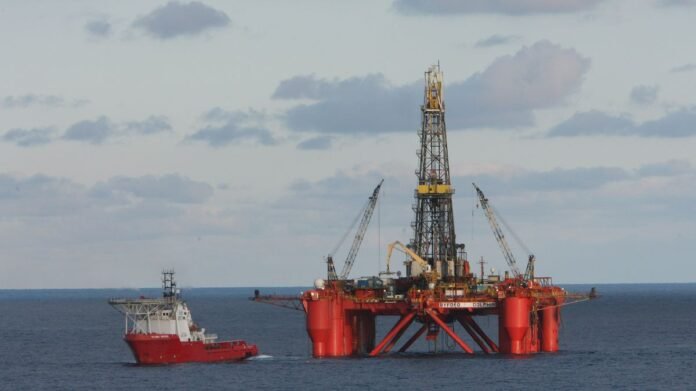

In a tragic incident, five individuals suffered a horrific fate, being boiled alive from the inside after a fatal error occurred 1,000 feet below the surface. The incident took place in 1983 on the Byford Dolphin, an oil drilling rig operating in the North Sea, known for its history of accidents. The victims, four British and Norwegian divers along with two tenders, were engaged in a deep-sea diving mission on the rig.
To conduct safe deep-sea operations, the divers were required to stay in compression chambers for a 28-day period. These chambers, crucial for preventing nitrogen buildup in the bloodstream, were accessed through a diving bell, a sealed chamber distinct from the rest of the underwater station.
Utilizing saturation diving techniques, the divers remained underwater for extended periods, avoiding the risks of nitrogen buildup during resurfacing. The process involved breathing a specific gas blend, typically helium and oxygen, tailored to the dive’s depth to prevent decompression sickness.
Tragically, a mechanical failure on November 5, 1983, led to a devastating outcome. As divers Bergersen and Hellevik returned to the chamber via the diving bell, an error caused premature release, resulting in a rapid pressure drop within the chambers. This abrupt change proved fatal, causing the deaths of four divers and grievous injuries to the surviving tender.
The investigation attributed the catastrophe to human error, emphasizing the critical need for enhanced diving safety measures. The incident underscored the imperative for improvements in diving practices to prevent such tragedies in the future.