
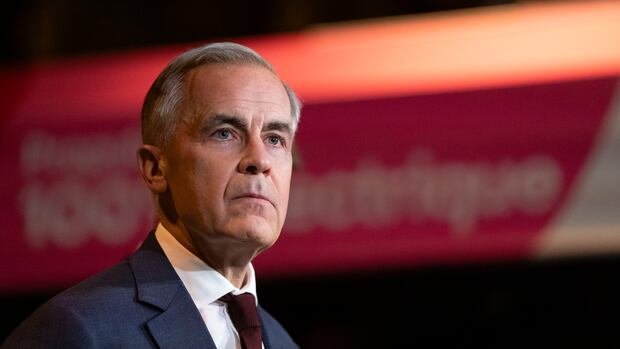

The Trump administration has implemented new tariffs on Canadian goods worth billions of dollars following unsuccessful trade negotiations between the two nations. Prime Minister Mark Carney stated that Canada would retaliate in kind, matching the 50 per cent tariffs imposed by the White House. Despite close efforts to finalize a deal, Ottawa could not agree to the terms presented.
In response, Carney announced the suspension of trade negotiations with the U.S. and instructed Canadian negotiators to return to Ottawa. U.S. President Donald Trump did not immediately comment on the situation. U.S. Trade Representative Jamieson Greer attributed the breakdown in talks to Canada’s refusal to accept the proposed agreement.
The escalating trade tensions involve the U.S. imposing new tariffs and Canada planning counter-tariffs, marking a significant escalation in their once-close trade relationship. Canadian Trade Minister Dominic LeBlanc engaged in negotiations with American officials in an attempt to reach a resolution before the tariff deadline.
Although the specifics of the tentative deal were not disclosed, sources indicated that it aimed to reduce sectoral tariffs affecting Canadian industries like aluminum, steel, and automobiles. The trade dispute also involves considerations about ending provincial bans on American alcohol.
The latest American tariffs, which cover a wide range of products exceeding $28 billion, are a response to Canada’s previous retaliatory measures against U.S. trade policies. The new tariffs are imposed under the U.S. Tariff Act Section 338, allowing for tariffs up to 50 per cent on countries deemed harmful to the American economy.
Industries like electronics and plastics in Canada are expected to be significantly impacted by the new tariffs. British Columbia and Quebec are among the provinces likely to bear the brunt of the import duties due to their export compositions to the U.S. being affected.