
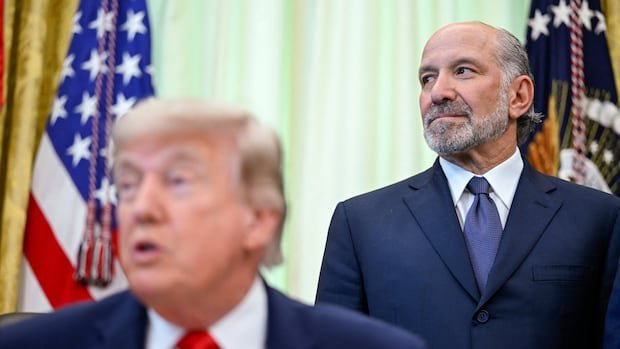

The trade negotiations between the United States and Canada are intensifying as one of President Donald Trump’s key cabinet members, Commerce Secretary Howard Lutnick, is reportedly dissatisfied with the current trade deal on the table. Lutnick, a close associate of President Trump, has been advocating for modifications to the proposed agreement, believing that the United States could secure a more favorable deal than what has been offered.
Specifically, Lutnick has raised concerns about potential reductions in sectoral tariffs, particularly the proposal to decrease the tariff on Canadian-made automobiles from 25 percent to 15 percent. He argues that such a concession could hinder efforts to promote domestic production within the U.S. Despite Lutnick’s reservations, sources indicate that his involvement has not jeopardized the deal.
U.S. Trade Representative Jamieson Greer expressed confidence in the negotiations, stating that the agreement aims to protect American workers, jobs, and supply chains while bolstering the national economy. Meanwhile, a source close to the talks described Lutnick as a tough but constructive participant in the negotiation process.
The U.S. Department of Commerce, in response to inquiries, neither confirmed nor denied Lutnick’s discontent with the terms of the deal. The department emphasized that the administration’s priority is to secure the best possible outcome for the United States in trade agreements.
As the deadline for new tariffs looms, both countries are striving to finalize a trade deal before the suspension period ends. While details of the agreement remain undisclosed, reports suggest that it may include reductions in sectoral tariffs affecting Canadian industries like aluminum, steel, and automobiles. In return, Canadian authorities are considering lifting provincial restrictions on American alcohol imports.
The White House declined to confirm the specifics of the deal, emphasizing that any information should be treated as speculative until officially announced. Despite differing perspectives within the administration, both President Trump and Canadian Prime Minister Mark Carney have expressed optimism about the potential agreement’s benefits for their respective countries.
The negotiations continue as the deadline approaches, with trade representatives from both nations engaging in discussions to address outstanding issues. Lutnick’s role as commerce secretary underscores his influence on trade policies, aligning with the administration’s stance on tariffs as a mechanism to protect American businesses and promote domestic manufacturing.
Lutnick, a long-time ally of President Trump, has been vocal in his support for tariffs as a means to rectify trade imbalances and prioritize American interests. His close ties to the president have shaped his approach to trade negotiations, where he advocates for policies that align with Trump’s vision for economic prosperity.