
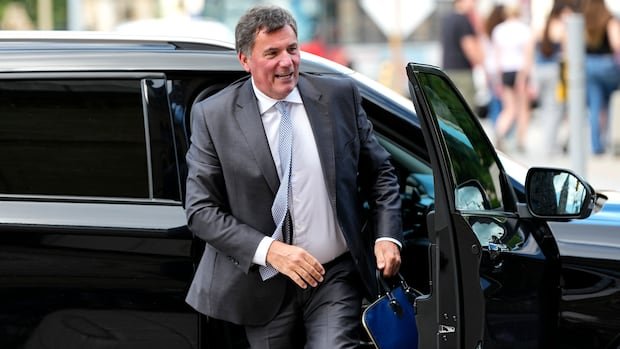

Canada’s Trade Minister Dominic LeBlanc recently had an extended meeting with U.S. officials in Washington to finalize a trade deal. The agreement aims to reduce tariffs on Canadian goods and allow U.S. alcohol sales in Canadian liquor stores. LeBlanc, after the meeting, expressed optimism about the progress made in the negotiations but did not disclose specific details.
Sources familiar with the discussions revealed that the U.S. plans to lower tariffs on Canadian steel and aluminum from 50% to 25%. Talks are ongoing regarding derivatives and exemptions. Additionally, a quota system will restrict the volume of steel imports into the U.S. at the lower tariff rate. The deal is also expected to reduce tariffs on Canadian vehicles from 25% to 15%.
In return for these concessions, the U.S. is seeking an end to the ban on American alcohol in Canadian liquor stores and the removal of provincial restrictions on U.S. companies bidding for government contracts. These measures were imposed in response to U.S. tariffs on Canadian products, which significantly impacted liquor sales and procurement opportunities for American firms.
While some provincial leaders support the proposed deal, others, like Manitoba Premier Wab Kinew, express skepticism about dealing with President Trump. Kinew believes Canada should take a more assertive stance in negotiations. Despite his reservations, Kinew indicated willingness to comply with the agreement’s conditions, including restoring U.S. alcohol sales in provincial stores.
The premiers are divided in their reactions to the trade negotiations. Nova Scotia Premier Tim Houston expressed satisfaction with the proposed deal, while Ontario Premier Doug Ford and Quebec Premier Christine Fréchette are still evaluating its potential impact on their provinces. British Columbia Premier David Eby, like many others, remains hopeful for a successful outcome, emphasizing the importance of diversifying trade partnerships to strengthen the Canadian economy in the post-tariff era.