

Five former chairs of a committee providing advice to the federal government on endangered wildlife have penned an open letter expressing worries about potential amendments to the Species At Risk Act. They caution that these changes could result in the deliberate extinction of endangered species in Canada. The legislation currently safeguards over 600 species, but proposed modifications could significantly undermine its protective measures, according to a statement released by the scientists.
These experts, who previously led the Committee on the Status of Endangered Wildlife in Canada (COSEWIC), forwarded the letter to the government last month. COSEWIC is an independent panel responsible for evaluating species at risk of extinction and recommending their inclusion under endangered species laws. The scientists chose to make the letter public to prevent Canadians from being complicit in the intentional eradication of Canadian wildlife species.
The letter coincides with the government’s contemplation of broad environmental regulation revisions, including the Species At Risk Act, aiming to expedite approvals and construction of major projects. Proposed adjustments could eliminate the requirement for a “jeopardy test,” essential in protecting endangered species, by allowing projects deemed in the national interest to bypass this evaluation.
David Green, a biologist and former COSEWIC chair, criticized these potential changes, emphasizing the significance of jeopardy tests in safeguarding endangered species. The proposed alterations would grant the government authority to establish “federal economic zones” for pre-approving industrial developments and to exempt pipelines from federal impact assessments.
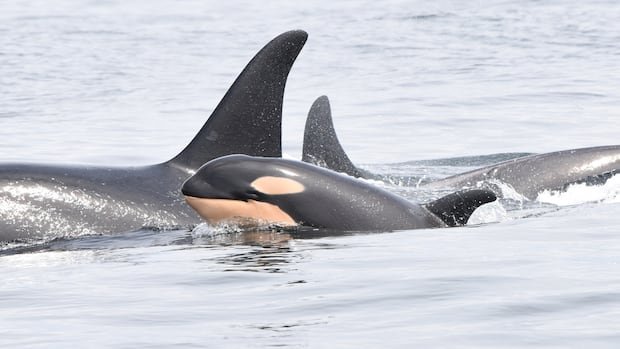
The scientists raised concerns about a new West Coast oil pipeline, currently under consideration as a project of national interest. This pipeline, if approved, could pose a severe threat to various species, including the southern resident killer whale and the Chinook salmon, both inhabiting the Salish Sea where the pipeline would terminate.
The scientists questioned the government’s intent in proposing these changes, suggesting a departure from the initial conservation focus of the Species At Risk Act established 25 years ago. The government’s actions, including Bill C-5, are viewed as setting an unprecedented precedent by granting extensive authority to waive existing laws and potentially introduce new regulations without parliamentary scrutiny.
As of the article’s publication, the government had not responded to the scientists’ letter. The government reiterated its commitment to species conservation and compliance with the Species at Risk Act, emphasizing the need for swift project approvals to boost the economy and reduce reliance on U.S. trade amid ongoing trade tensions.
Despite criticism from various groups, the government extended the public engagement period, which concluded recently. Formal legislation pertaining to the proposed changes is expected after Parliament reconvenes in September, with calls for the government to reconsider the potential ramifications of these alterations on Canada’s biodiversity.