

A groundbreaking project aiming to establish a massive 3,400-kilometre wildlife corridor from Yellowstone National Park in the U.S. to Canada’s Yukon has emerged as a finalist for Prince William’s prestigious environmental awards. The Yellowstone to Yukon Conservation Initiative (Y2Y) has been selected as one of the top contenders in the Protect & Restore Nature category of the 2026 Earthshot Prizes, which feature a total of 15 finalists across five distinct categories. Winners in each category will receive £1 million ($1.9 million Cdn) at an upcoming ceremony in Mumbai.
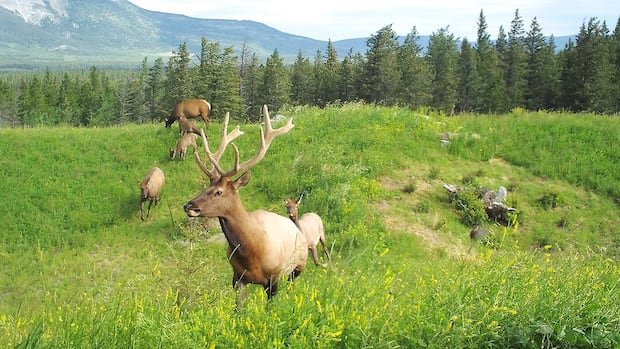
The Earthshot Prize recognized Y2Y as a monumental conservation collaboration aimed at reconnecting a vast mountain landscape spanning Canada and the U.S., allowing wildlife to move freely across the region as they did for centuries. This habitat corridor is home to various large mammals, including wolves, grizzly bears, wolverines, and endangered mountain caribou, encompassing 25 million hectares of protected land, slightly larger than the United Kingdom.
The initiative, established in 1993 as a joint effort between the U.S. and Canada, has significantly expanded protected areas within the corridor over the past three decades, working alongside 800 partners, including governments, Indigenous nations, private landowners, and scientists. Noteworthy achievements include the creation of over 200 wildlife road crossings and the successful revival of the Klinse-Za caribou herd in British Columbia from the brink of extinction.
The project’s inspiration stems from a wolf named Pluie, equipped with a satellite tracking collar near Banff National Park in 1991. Pluie’s extensive travels across multiple U.S. states, Canadian provinces, and national parks highlighted the necessity of conservation efforts on a large scale to sustain wildlife populations effectively.
Recognizing the challenges posed by climate change and habitat fragmentation, Y2Y aims to provide a climate migration route for animals and plants moving towards northern and higher elevation areas. The initiative not only benefits wildlife but also offers advantages to people, such as increased parkland for recreation and reduced wildlife-vehicle collisions. Additionally, protected lands play a crucial role in carbon absorption and water preservation and restoration in the region.
Despite the financial constraints in implementing large-scale conservation projects, the acknowledgment from the Earthshot team is seen as a significant boost for Y2Y, enabling greater visibility, fostering collaboration, and connecting with global resources to address shared environmental challenges. The Earthshot Prize, established in 2021, seeks to promote innovation in combating climate change and addressing environmental issues, with plans to continue until 2030.