
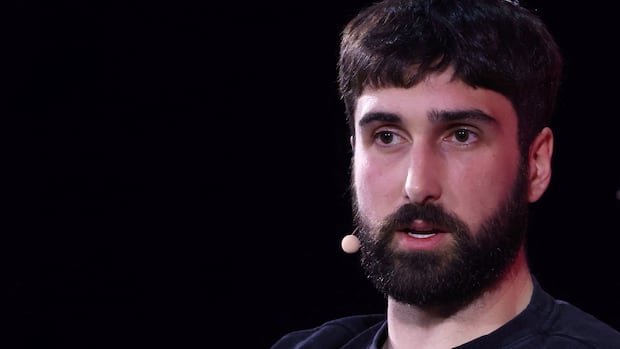

A prominent artificial intelligence company CEO in Canada is cautioning against succumbing to “fearmongering” following recent concerns raised by an Anthropic researcher suggesting a more than 10 percent chance of AI endangering humanity within a decade.
Aidan Gomez from Cohere, based in Toronto, emphasizes the importance of developing AI safeguards while also acknowledging the potential benefits such as reducing living costs and enhancing medical advancements. Gomez criticizes the alarmist narrative surrounding AI’s potential extinction risks, attributing it to fictional scenarios like those seen in movies such as “Terminator,” which can instill unnecessary fear and misunderstanding.
Although Gomez shares general agreement with Prime Minister Mark Carney’s proposal for a global oversight entity to address AI’s perceived lesser risks, he advocates for Canada’s active role in controlling the technology’s global deployment. Cohere, known for producing generative AI models for businesses, has existing partnerships with the federal government and Bell Canada.
Participating in Carney’s investment summit in Toronto, Gomez highlights Canada’s significance in the global AI landscape due to its early research advancements in the field. He emphasizes the country’s responsibility in guiding AI deployment worldwide, leveraging its historical contributions to the technology’s development.
Addressing the summit attendees, Gomez underscores the need for responsible AI deployment to ensure safety and ethical considerations. He expresses optimism about Cohere’s potential to contribute positively to Canada’s AI initiatives.
During the summit, several major announcements were made, including Bell Canada’s plan to expand an AI data center near Regina and substantial financing commitments from TD Bank and Scotiabank for infrastructure projects, including those involving AI.
Carney emphasizes the importance of speed and predictability in advancing Canada’s investment agenda, citing these factors as key competitive advantages. However, contrasting views from U.S. AI industry leaders call for a slowdown in cutting-edge AI development to address safety concerns.
Gomez criticizes industry-led oversight proposals that could potentially alter competition rules to favor certain AI companies, characterizing it as fearmongering in his opinion. He aligns more with Carney’s vision of a global “technology stability” body to oversee safe AI development and ensure equitable participation from various countries.
Evan Solomon, the federal minister for AI and digital innovation, stresses the government’s commitment to AI safety regulations and announces an upcoming significant AI safety initiative with Canadian AI pioneer Yoshua Bengio.
Jas Jaaj from Deloitte Canada acknowledges the challenges but believes establishing effective international safeguards for AI is feasible, drawing parallels with past global collaborations in scientific and technological domains.
The competitive landscape between the U.S. and China in AI development is likened to historical rivalries, prompting calls for Canada to safeguard its interests and prioritize data sovereignty in foreign investment agreements.
In conclusion, industry experts and policymakers stress the importance of balancing AI innovation with safety and regulatory frameworks to harness the technology’s benefits while mitigating potential risks.