
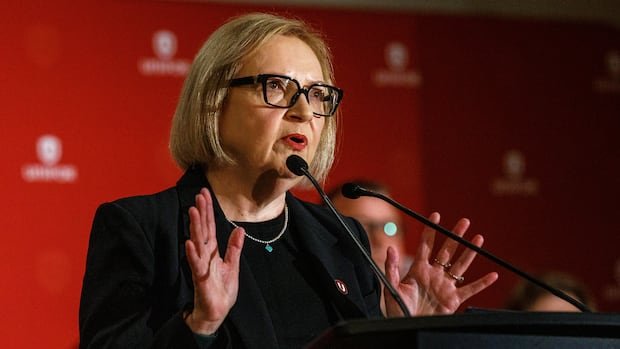

The labor union representing Canadian employees at Stellantis is urging the car manufacturer to uphold its promise of revamping its Brampton, Ontario, facility amid indications of a potential sale. Stellantis recently disclosed a memorandum of understanding with Canadian armored vehicle maker Roshel about the potential sale of the Brampton plant. During a press briefing in Toronto, Unifor national president Lana Payne expressed discontent with Stellantis’ decision to sell the plant instead of proceeding with the retooling for Jeep Compass production.
Payne emphasized that Stellantis seems adamant about exiting Brampton and emphasized the importance of this decision to various stakeholders, particularly the government. The Brampton plant has remained inactive since 2023 when plans were initially made to retool it for Jeep Compass manufacturing, a plan that was later halted in early 2025, with production shifting to the U.S. instead. Unifor is steadfast in its stance that Stellantis should honor its commitment to retool the plant for Jeep Compass production, advocating for the preservation of the plant’s integrity for future vehicle manufacturing purposes.
In response to Stellantis’ commitment to Canada, a letter shared by a worker at the Brampton plant reiterated the company’s dedication to the country by highlighting its continued operations in Windsor and investments in advanced research and development. Stellantis expressed willingness to engage with Unifor and encouraged discussions with Roshel to understand their vision for the Brampton facility.
Regarding potential strike action, Payne mentioned the possibility due to Roshel’s involvement complicating negotiations with Stellantis. The current collective agreement between the automaker and the union is set to expire soon, prompting efforts to reach a settlement without resorting to a strike. Payne also reached out to Industry Minister Mélanie Joly seeking clarity on the government’s involvement in the potential sale of the plant.
Employee anxiety at the Brampton plant has been heightened, with workers relying on unemployment benefits and other financial resources amidst the uncertainty. The looming threat of plant closure has raised concerns within the industry, with Payne underscoring the symbolic significance of the Brampton facility. Automotive reporter Greg Layson described the situation as a complex and messy affair, noting the potential impact of trade policies and unfulfilled commitments on the plant’s future.
The memorandum with Roshel presents a possible solution, but Layson emphasized the importance of maintaining operations at the plant rather than closing or selling it. The uncertainties surrounding trade policies and upcoming elections in the U.S. could further complicate the economic landscape, potentially influencing future decisions regarding the plant’s fate.