

Residents of Fort McKay, an Indigenous community in northeastern Alberta, are facing significant challenges due to high levels of dust pollution in their area. The community, situated near the Athabasca River and surrounded by oil sands mines and industrial activities, experiences frequent dust clouds that obscure the horizon.
A recent study published in Atmospheric Pollution Research reveals that Fort McKay is disproportionately affected by dust pollution, with levels often surpassing air quality regulations. The research, led by University of Toronto PhD candidate Kristin Iorio and independent researchers in Alberta, highlights the prevalence of severe dustfall events in the community, driven by large particles of dust that conventional monitoring methods fail to capture.
Over a 24-month sampling period, Fort McKay exceeded Alberta Ambient Air Quality Guidelines for dustfall numerous times, with monthly levels doubling the acceptable threshold in nearly 20% of cases. The study utilized various data collection methods, including dustfall buckets and ambient air quality tools, to assess dust exposure in Fort McKay and neighboring communities.
The researchers emphasize the need for enhanced monitoring and updated regulations to address the impact of coarse particulate matter pollution from industrial operations, construction activities, and mining in the region. They recommend the establishment of new air quality objectives for larger particles, such as PM10, to better track and mitigate the health risks associated with dust pollution.
Experts like Ke Du from the University of Calgary advocate for continuous monitoring and revised guidelines to address the episodic nature of industrial pollution and its potential health implications. The study underscores the urgency of addressing regulatory gaps and implementing comprehensive monitoring measures to safeguard the health of communities like Fort McKay.
Despite the concerning findings, the Alberta Energy Regulator and the Fort McKay First Nation have refrained from commenting on the study. Alberta Environment officials acknowledge the need to consider the research findings and explore potential changes to monitoring approaches and air quality standards in the region.
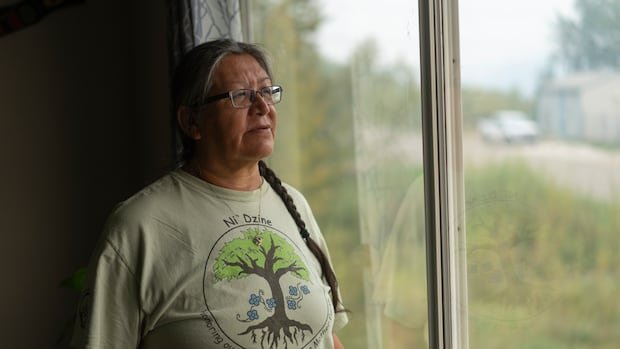
For residents like Jean L’Hommecourt, the study validates long-standing concerns about air quality in Fort McKay and underscores the pressing need for improved monitoring and regulatory action to protect community health and well-being.