
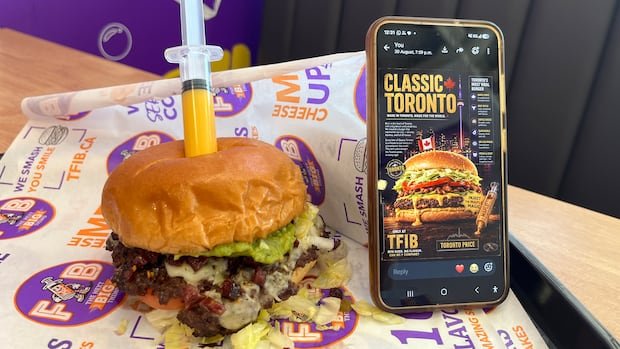

From quirky sandwiches to shrimp shaped like doughnuts, artificial intelligence (AI) is making its way into local fast-food joints. Customers have been sharing photos online of food displays that appear synthetic and oddly geometric, suggesting they were crafted using AI tools that can easily create visuals inexpensively.
One Reddit user likened the AI-generated food to something extraterrestrial, while others criticized a sandwich at the CNE as unsettling and unappetizing. Some Toronto diners view these images not only as unappetizing but also as reflections of the restaurant’s authenticity and values.
While some consumers find these AI-enhanced images off-putting and raise concerns about potential misrepresentations, restaurant industry insiders argue that it helps cut costs in a challenging market. Marketing experts suggest that the use of AI technology can be beneficial if applied thoughtfully.
Before patrons even taste the food, they heavily rely on visuals to make dining decisions, making businesses using AI-generated imagery susceptible to significant risks. Professional food photography plays a crucial role in selling dishes, and poorly generated AI images can harm sales and brand reputation.
However, although some consumers may object to AI usage, experts believe that when employed effectively, it can assist small to medium-sized eateries in managing expenses. The thin profit margins in the restaurant industry, compounded by rising costs, make it challenging for businesses to stay afloat.
Using AI to enhance real food photos has become a cost-effective solution for some restaurants, such as The Fancy Induced Burger franchise. By snapping pictures of dishes and applying AI enhancements, the company has reduced its reliance on professional photographers, saving time and money.
The concern among some consumers is whether the AI-enhanced images on menus accurately represent the actual food served. While AI imagery has the potential to enhance visuals, there is a fine line between making products appealing and misleading consumers. Both AI-generated and traditionally staged food images can present variances, but consumers usually understand the aesthetic enhancements.
Despite the rise of AI in food imaging, some industry professionals, like food stylist Zoe Rousseau, believe that human touch and authenticity are irreplaceable. While understanding the cost-saving appeal of AI, Rousseau emphasizes that genuine food styling and photography can create more appealing and realistic representations of menu items.