
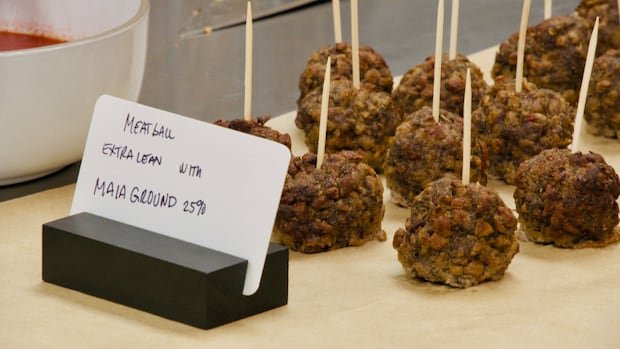

Maia Farms in Vancouver is pioneering the use of mycelium, the underground root-like structure of fungi that gives rise to mushrooms. By utilizing a bioreactor, the company can carefully control the growth environment of mycelium, ensuring optimal conditions for development. This innovative approach allows for the production of a versatile food product that can be blended with various protein sources to enhance nutritional value and bulk up meals.
While mushroom-based products are commonly used in meat substitutes, Maia Farms is targeting the meat industry itself. By incorporating mycelium into items like sausage rolls, meatballs, and burger patties, the company aims to offer a solution to the rising costs of meat. According to Canada Beef, retail beef prices have surged, making alternative protein sources like mycelium an attractive option for cost-conscious consumers.
Beyond financial benefits, incorporating mycelium into food products has significant environmental advantages. Compared to traditional beef production, mycelium production generates substantially lower levels of carbon dioxide and requires significantly less water. This sustainable approach aligns with the growing demand for eco-friendly food options and can potentially make a substantial impact on reducing greenhouse gas emissions.
Despite recent declines in sales of meat alternatives, Maia Farms remains optimistic about the market potential for mycelium-based products. With a focus on large-scale production at competitive prices, the company aims to challenge industry norms and offer consumers a delicious and sustainable alternative to traditional meat products. Sean Lacoursiere, the chief innovation officer at Maia Farms, emphasizes the nutritional and culinary benefits of mycelium, highlighting its long history as a safe and delicious food source.