
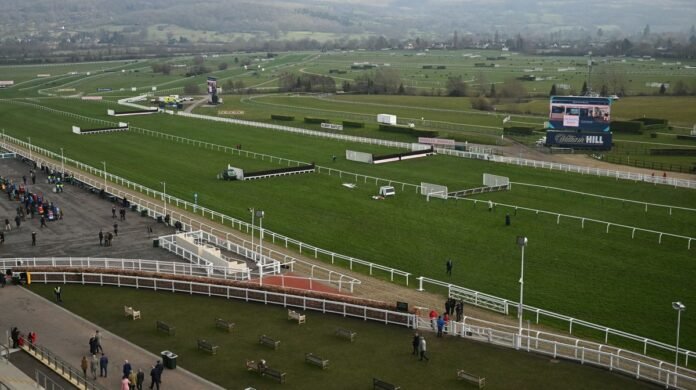

Cheltenham Festival experienced a tragic loss as HMS Seahorse, a horse in the event, succumbed to a fatal injury during the third race on Wednesday. ITV announced the unfortunate incident, revealing that the eight-year-old horse, trained by Paul Nolan, fell at the final hurdle in the 2.40pm BetMGM Cup Handicap Hurdle and, despite veterinary intervention, could not be saved.
This marks the second horse fatality at the festival, with Hansard having passed away after a fall in the second race on day one, as confirmed by ITV presenter Ed Chamberlin reading a statement from Cheltenham.
Efforts to save HMS Seahorse were made by a team of expert vets during the third race, but the horse’s injuries were too severe. Condolences were extended to the connections of the horse in light of the tragic event.
The sport of horse racing, like all others, carries inherent risks, but The Jockey Club, responsible for 15 racecourses in the UK including Cheltenham and Aintree, continually strives to enhance safety measures at its events. The racing industry has invested over £63 million in equine welfare since 2000, focusing on veterinary care, education, and research.
The Horse Welfare Board, an independent body in British racing, has implemented a strategic plan titled ‘A Life Well Lived,’ which has begun to show positive outcomes. The rate of fallers in horse races has decreased over the last 21 years, with only 1.98% of runners experiencing falls in recent years. Additionally, the fatality rate in 2025 was just 0.22% out of 86,300 runners.
Improvements in safety measures include changing jump markers to white based on equine vision research, the use of padded hurdles to reduce fallers by 11%, and a comprehensive review process within 48 hours of any fatality on a racecourse. Collaboration with esteemed welfare organizations like World Horse Welfare, RSPCA, and Blue Cross ensures that the racing industry upholds the highest standards of care for its equine athletes.
National Racehorse Week, scheduled from August 22nd to 31st, offers over 65,000 free visits to studs, training yards, and aftercare centers, influencing over 80% of visitors to reassess their perceptions of horse welfare positively. With a massive attendance of five million in 2025, horse racing stands as the second most popular sport in the UK after football.