

A recent study predicts a warmer and wetter climate in northeastern B.C., along with more frequent extreme weather events for communities that have endured significant natural disasters in the past decade. The region is expected to experience temperature increases of up to three degrees by the 2050s and five degrees by the 2080s, resulting in summers resembling those in the Okanagan and January feeling more like March.
According to researchers at the Fraser Basin Council, these changes will have wide-ranging effects on infrastructure, water resources, and emergency preparedness for floods, wildfires, and evacuations. The study, conducted on behalf of local governments and Indigenous communities, highlights the urgent need for communities to adapt to these future climate scenarios.
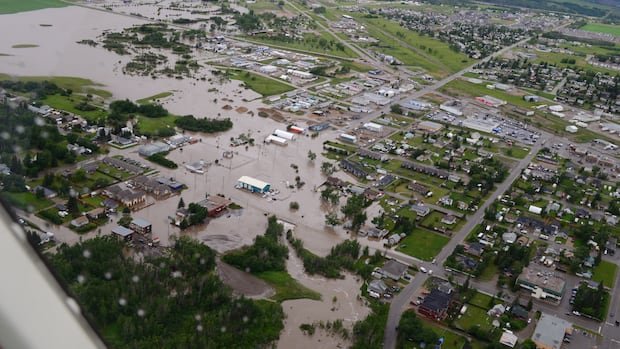
Recent catastrophic events, such as severe floods in 2016 that cut off the region’s only road link to the Lower Mainland and escalating wildfires like the historic Donnie Creek fire, have already displaced thousands of residents. Jim Vanderwal, a researcher involved in the study, emphasized the long-term impacts of such disruptions on communities and the necessity to proactively plan for the changing climate.
In Fort St. John, the city has become a sanctuary for wildfire evacuees, placing significant demands on city staff and volunteers. City officials, like Milo MacDonald, acknowledge the increasing challenges posed by warmer weather, including more frequent freeze-thaw cycles that deteriorate infrastructure. The report projects a doubling of freeze-thaw days by 2080, requiring preemptive measures to mitigate the current and future impacts.
Water availability is another critical concern for the region, with summers expected to see longer growing seasons, intense heat waves, and reduced snowfall in spring and fall. This shift could lead to more drought conditions and low streamflows, as witnessed during the recent water shortage in Dawson Creek. Infrastructure improvements and planning for water scarcity are essential to ensure communities can cope with the changing climate.
As communities brace for a future marked by climate uncertainties, the necessity of proactive adaptation and resilient infrastructure planning is paramount. The report underscores the pressing need for strategic measures to mitigate the impacts of climate change on northeastern B.C. and safeguard the well-being of its residents.