
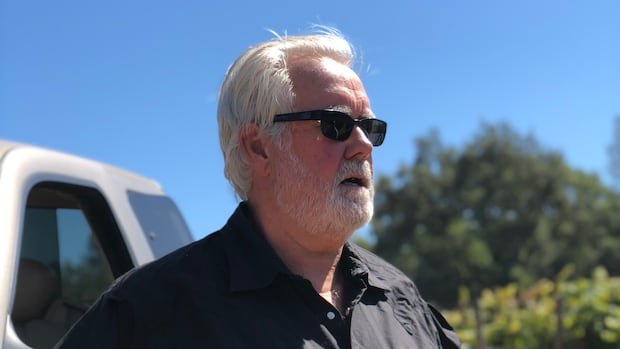

Previously, Bill Easton had a routine of shipping cases of Syrah to Montreal every six weeks from his winery in northern California’s Sierra Foothills. However, last spring, Quebec stopped selling American alcohol, disrupting Easton’s schedule. Now, he pays $1,200 every four weeks to store the wine until it can be sold.
Easton mentioned that they have wine labeled in both English and French specifically for the Quebec market sitting in a warehouse waiting for sales. The ban on U.S. alcohol in Canadian provinces has become a focal point in trade talks as winemakers and industry groups express frustration at being caught in the crossfire of international disputes.
Easton expressed his concern, stating, “I think we’re being used as a tool for this negotiation. I’m not sure why we have this tariff battle going with Canada. We’re just farmers and winemakers selling wine to people who like what we do.”
Provinces in Canada halted the distribution of U.S. alcohol products last year in response to tariffs imposed by U.S. President Donald Trump. In a recent development, Prime Minister Mark Carney urged provinces to reconsider to avoid new tariffs on Canadian goods.
Some premiers indicated they might agree to bring back U.S. alcohol if the deal was favorable, while others remained cautious without more details. The discussions involve weighing the leverage in the trade dispute against the potential outcomes.
-
‘A bad taste left in my mouth’: Will Canadians buy U.S. booze again?
-
If U.S. booze returns to shelves, ‘leave it there,’ Manitoba premier says
Manitoba Premier Wab Kinew expressed skepticism about lifting the ban on U.S. alcohol, emphasizing the need to be cautious in dealing with the ongoing trade disputes.
The ban on American alcohol products has led to significant revenue losses for winemakers and distillers. The uncertainty surrounding the trade negotiations has left many in the industry anxious about the future of their businesses.
Rebuilding trust key: wine group
Oregon Wine Growers Association highlighted the importance of rebuilding trust with Canadian buyers for long-term stability. The organization aims to