
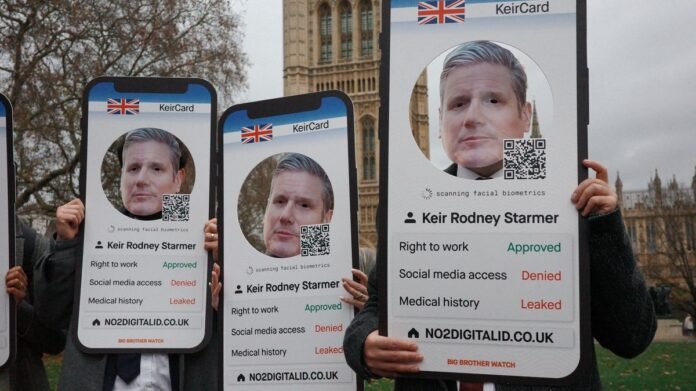

After facing significant criticism for its initial stance, the Government has made a significant policy reversal regarding digital ID requirements.
Labour minister Heidi Alexander announced that digital ID or other electronic documentation, like a biometric passport chip, will now be sufficient for right-to-work checks, contrary to the previous mandate of a new identification card for UK employment.
Addressing concerns, Ms. Alexander highlighted the ongoing transition process and emphasized the importance of progress. She clarified that individuals can use government-provided digital IDs on their phones or opt for biometric verification through passport chips to demonstrate their right to work in the country.
Chancellor Rachel Reeves echoed a flexible approach, stating that the Government is open to various forms of digital documentation for proof of work rights. Reeves emphasized the need for mandatory digital ID while underscoring the acceptance of different digital formats like e-visas or e-passports.
Public support for digital ID cards plummeted from 35% to -14% following the announcement by Labour leader Keir Starmer to introduce them. Despite public resistance, Starmer remained committed to advancing the controversial digital ID plans, emphasizing benefits such as facilitating age verification for purchasing alcohol and simplifying administrative processes for students.
Initially proposed to tackle illegal working, the mandatory digital ID policy drew criticism from MPs and activists over privacy concerns and civil liberties. The policy faced further setbacks when deemed “irrecoverable” by Silki Carlo, director of Big Brother Watch, during a parliamentary committee session.
A forthcoming consultation on digital ID cards will be launched to gather feedback on the proposed plans. The digital IDs, designed to be stored on smartphones via the GOV.UK wallet app, aim to streamline verification processes for employers and landlords by cross-referencing against a centralized database of individuals authorized to reside and work in the UK.