

British Prime Minister Margaret Thatcher had high hopes for the privatization of the water industry, foreseeing great success. However, the reality has been quite different for many, with only a few companies reaping the benefits while the industry as a whole struggles with debt and environmental issues.
England and Wales stand out globally as one of the few countries where the entire water sector remains privatized. This unique situation has led to concerns about the prioritization of profits over the essential nature of water as a public resource.
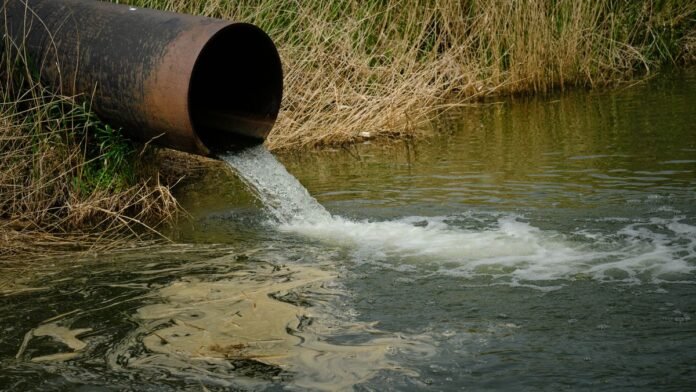
Decades of underinvestment have left the water industry in a precarious state, with a staggering debt of £82.7 billion as of last April. The release of raw sewage into water bodies by privatized firms has increased significantly, painting a grim picture of the industry’s current state.
Major challenges such as the near-collapse of Thames Water and the lack of new reservoir construction since 1992 underscore the pressing need for reform. Communities are witnessing the degradation of once pristine waterways, raising questions about the responsibility of water companies in maintaining environmental standards.
Calls for reconsidering water privatization and potentially bringing some aspects back under public control are gaining traction. Other countries have successfully remunicipalized their water services, hinting at a possible solution to the issues plaguing the privatized water industry.
It is evident that the current privatization model has failed in its promises, and a shift towards more sustainable and community-oriented water management practices may be the way forward for England and Wales.