
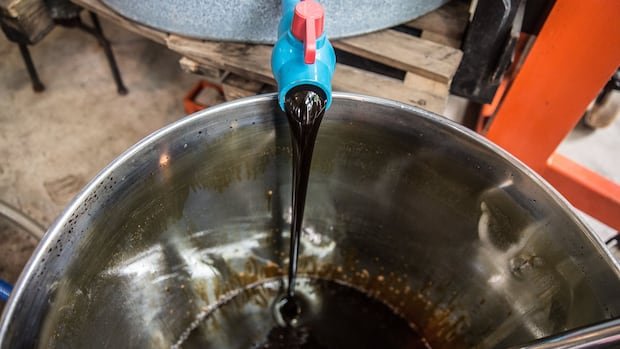

A recent move by the U.S. to ban the import of Canadian molasses has reignited concerns over sugar smuggling and sparked a clash within the industry involving a major refinery located in Hamilton, Ontario.
While disputes over dairy, automobiles, and alcohol have been ongoing between Canada and the U.S. during President Donald Trump’s second term, the decision to prohibit molasses imports has raised eyebrows. This ban, set to take effect on September 29, will also include bans on motorcycles, certain alcoholic beverages, and some dairy products.
American sugar producers have been lobbying their government for months to increase tariffs on foreign sugar products, citing competition from cheaper alternatives from other countries. They have particularly targeted Canadian refineries, accusing them of importing sugar mixes disguised as pure molasses to evade sugar tariffs and quotas.
Sugaright, a division of CSC Sugar based in Connecticut, highlighted the issue of diluted Canadian molasses at the International Sweetener Symposium held in Vail, Colorado, earlier this summer. The U.S. sugar industry, supported by the federal government, is determined to halt the flow of such molasses, which they view as a way to circumvent sugar regulations.
The controversy traces back to the 1990s when a Michigan company, Heartland By-Products, mixed molasses with sugar and water in an Ontario facility to import the blend tariff-free. Despite being legal at the time, industry pressure and legal actions led to the company’s closure in the 2000s.
Sucro Can Sourcing, chaired by Don Hill, has been at the center of recent accusations regarding molasses imports. Hill refuted claims linking his company to past practices and emphasized that Sucro’s operations comply with regulations. Despite facing challenges and scrutiny, Sucro continues to operate in Hamilton and has shifted its focus to the Canadian market.
The American Sugar Alliance, a prominent trade association representing U.S. sugar producers, expressed support for the molasses import ban, emphasizing the importance of upholding trade laws and protecting American farmers and workers.
David Singerman, a history professor, highlighted the historical context of sugar refining and the industry’s efforts to safeguard profits through political influence. Drew Fagan, a professor at the University of Toronto, drew parallels between U.S. protectionism in the sugar industry and Canada’s dairy sector, suggesting various factors at play in the molasses import ban.
As the ban raises questions and concerns, CBC News reached out to the Office of the U.S. Trade Representative for further clarification on the rationale behind the decision.