
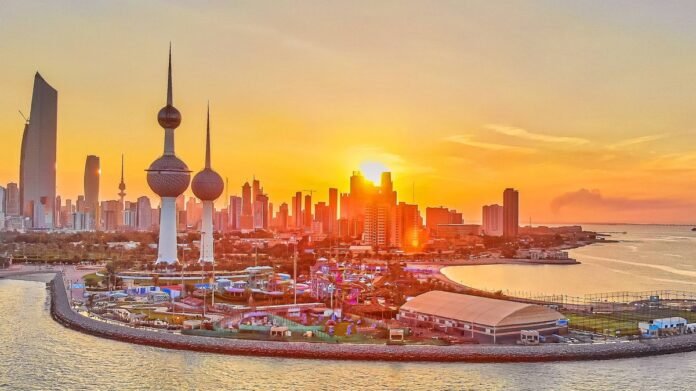

Kuwait City, known as the world’s hottest city, is facing catastrophic events reminiscent of ancient times, with birds dropping from the sky and fish boiling in the sea. Once celebrated for its thriving fishing industry and lively coastline, the Middle Eastern metropolis is now enduring scorching temperatures that surpass even Europe’s most severe heatwaves.
In its prime, Kuwait City attracted sun-seekers akin to Victorian seaside resorts in Britain. However, while UK coastal towns may now grapple with modern entertainment venues, Kuwait City is battling extreme heat. On July 21, 2016, the Mitribah weather station in northern Kuwait recorded a record-breaking temperature of 54C (129F) – the third-highest globally. The city’s heat surpasses Europe’s 2023 heatwave by 10C.
Forecasts indicate a further temperature increase of 5.5C (10F) before the end of the century. This alarming trend underscores the planet’s warming crisis, with Kuwait experiencing over 19 days above 50C in 2021, a figure expected to be surpassed this year.
The city’s landscape, dominated by harsh concrete and asphalt, is gradually becoming uninhabitable, posing significant risks to those venturing outdoors during the summer months. Scientific evidence shows a decline in annual rainfall, leading to more frequent and intense dust storms.
Reports have emerged of birds falling from the sky and seahorses perishing in the bay due to the extreme conditions. Even the most resilient pigeons are seeking shelter from the scorching sun. Temperatures reaching 50C are not just uncomfortable but perilous, exceeding the body’s normal temperature by 13C (55F) and posing health risks such as heat exhaustion and heart complications.
To combat the extreme heat, the Kuwaiti government has permitted nighttime funerals this year. Many residents opt to stay indoors in air-conditioned environments to escape the oppressive weather conditions.
The city’s response to the climate challenges includes the development of futuristic infrastructure, such as indoor shopping streets providing respite from the harsh climate. A significant portion of household electricity usage in Kuwait, around 67%, is attributed to constant air conditioning usage.
Despite the intense heat, Kuwait’s streets remain bustling with activity, largely driven by migrant workers who comprise approximately 70% of the population. These laborers, attracted by the kafala system, primarily work in construction and domestic services, contributing to the city’s vibrant atmosphere.
Recent studies highlight the heightened health risks faced by migrant workers due to extreme heat, with projections indicating a potential increase in heat-related deaths if climate action is not taken. Kuwait’s carbon footprint is substantial, ranking only below Bahrain and Qatar in the region.
Efforts to reduce emissions in Kuwait remain modest, with a target of cutting emissions by 7.4% by 2035. However, energy consumption is expected to triple by 2030, mainly driven by the escalating use of air conditioning.
With the government subsidizing electricity and water, residents lack incentives to reduce consumption, further exacerbating environmental challenges. Environmental experts warn of potential severe impacts of global warming on Kuwait, including floods, droughts, coastal inundation, and loss of biodiversity.
Kuwait’s future is at stake, highlighting the urgent need for sustainable practices and climate action to mitigate the adverse effects of rising temperatures and environmental degradation.